
When Rivers Were Highways
How rivers connected Indigenous trading networks

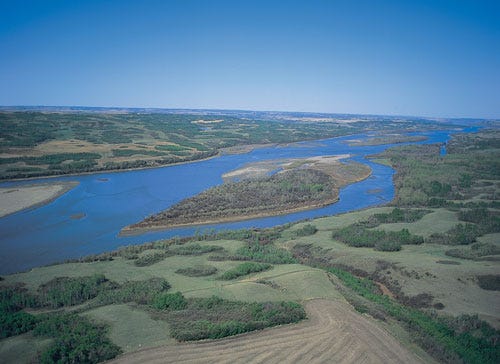
Long before roads, railways and highways crossed the land now called Canada, rivers, lakes and coastal waters connected First Nations communities. These waterways were not just travel routes. They were part of daily life, trade, diplomacy, seasonal movement, food gathering and communication. For many First Nations, the river was the practical route through the land, but it was also tied to territory, knowledge and responsibility.
Across the country, geography shaped how people travelled. In the Eastern Woodlands and much of the boreal forest, birchbark canoes were widely used because they were light, strong and suited to rivers, lakes and portages. They could carry people, food, tools and trade goods, and they could be lifted over land when rapids, waterfalls or shallow water blocked the route. In other regions, different vessels were used. On the Northwest Coast, large dugout canoes made from cedar were central to travel, fishing, trade and ceremony. The exact form of transportation depended on local materials, climate, water conditions and the needs of each Nation.
